History & Heritage  ·  Pogradec, Albania

Three Thousand Years of History

Illyrian, Byzantine, Ottoman, Albanian

Through the Ages

A city written
in layers of time

Few Albanian cities carry as long or as layered a history as Pogradec. Its position on the southern shore of Lake Ohrid — a natural crossroads between east and west, north and south — made it strategically significant to every civilisation that passed through. Each left its mark.

Before the 4th century BC
Ancient & Illyrian

Long before written records, Illyrian tribes settled the shores of Lake Ohrid, drawn by the abundance of fish, the fresh water, and the natural defensive advantages of the surrounding highlands. The tribe known as the Enchelei established communities in this region, building hilltop settlements that commanded the lake's approaches. Archaeological evidence points to continuous habitation stretching back at least five millennia, making this one of the oldest continuously settled areas in the Balkans. The lake itself was already ancient — formed by tectonic forces over five million years before the first human eyes beheld its shores.

Illyrian hillfort remains can still be traced near the modern city
168 BC – 4th century AD
The Roman Period

Rome's conquest of Illyria in 168 BC brought the region into the largest empire the ancient world had yet seen. The great Via Egnatia — the military and trade road connecting the Adriatic coast at Durrës with Constantinople — passed through the Lake Ohrid corridor, and the settlement at Pogradec became a node on this artery of empire. Roman engineering, administration, and culture overlaid the Illyrian foundations, though the indigenous population maintained its language and customs beneath the Roman surface. The lake continued to feed the city, and trade flourished under the Pax Romana.

The Via Egnatia ran approximately along what is now the E65 highway
4th – 14th century
The Byzantine Era

As the Roman Empire split and the western half collapsed, Pogradec fell under the administration of Constantinople. The Byzantine period was one of the most formative in the city's history. The castle fortifications — remnants of which still crown the hillside above the modern city — were built and expanded during this era, and the Orthodox faith took deep root in the population. Churches and monasteries multiplied around the lake. The influence of the Byzantine church shaped not only the religious life of the region but its art, music, and architecture in ways still visible today. The frescoes at Lin and on Maligrad Island are direct legacies of this period.

The castle walls date primarily to the 6th–9th centuries AD
1466 – 1912
Ottoman Rule

The Ottoman conquest of the region in 1466 brought four and a half centuries of a different kind of order. Pogradec — known to the Ottomans as Starova — became a trading hub within the vast imperial network. Mosques were built, hans (caravanserai) accommodated merchants travelling between the Adriatic and Constantinople, and a culturally diverse population of Muslims, Orthodox Christians, and Jews coexisted under Ottoman administration. The bazaar quarter developed its characteristic layered character during this period: craftsmen, merchants, and food sellers in lanes that still trace their Ottoman origins. Albanian identity and language were suppressed but never extinguished, and the seeds of the national awakening — the Rilindja — were quietly germinating throughout the later Ottoman centuries.

Several old bazaar structures retain their Ottoman-era proportions
1912 – present
Albanian Independence & the Modern Era

Albania declared independence on 28 November 1912, and Pogradec became part of the new nation after centuries of foreign administration. The 20th century brought both progress and hardship: the Zog era, the Italian and German occupations of World War II, and then nearly fifty years of communist isolationism under Enver Hoxha, during which Albania was sealed from the world. The lake, however, continued its ancient rhythms. After 1991 and the transition to democracy, Pogradec underwent a cultural revival. The city has emerged as a destination of growing significance — a place where the full depth of Albanian history can be experienced, and where the future is being built with pride in what has survived.
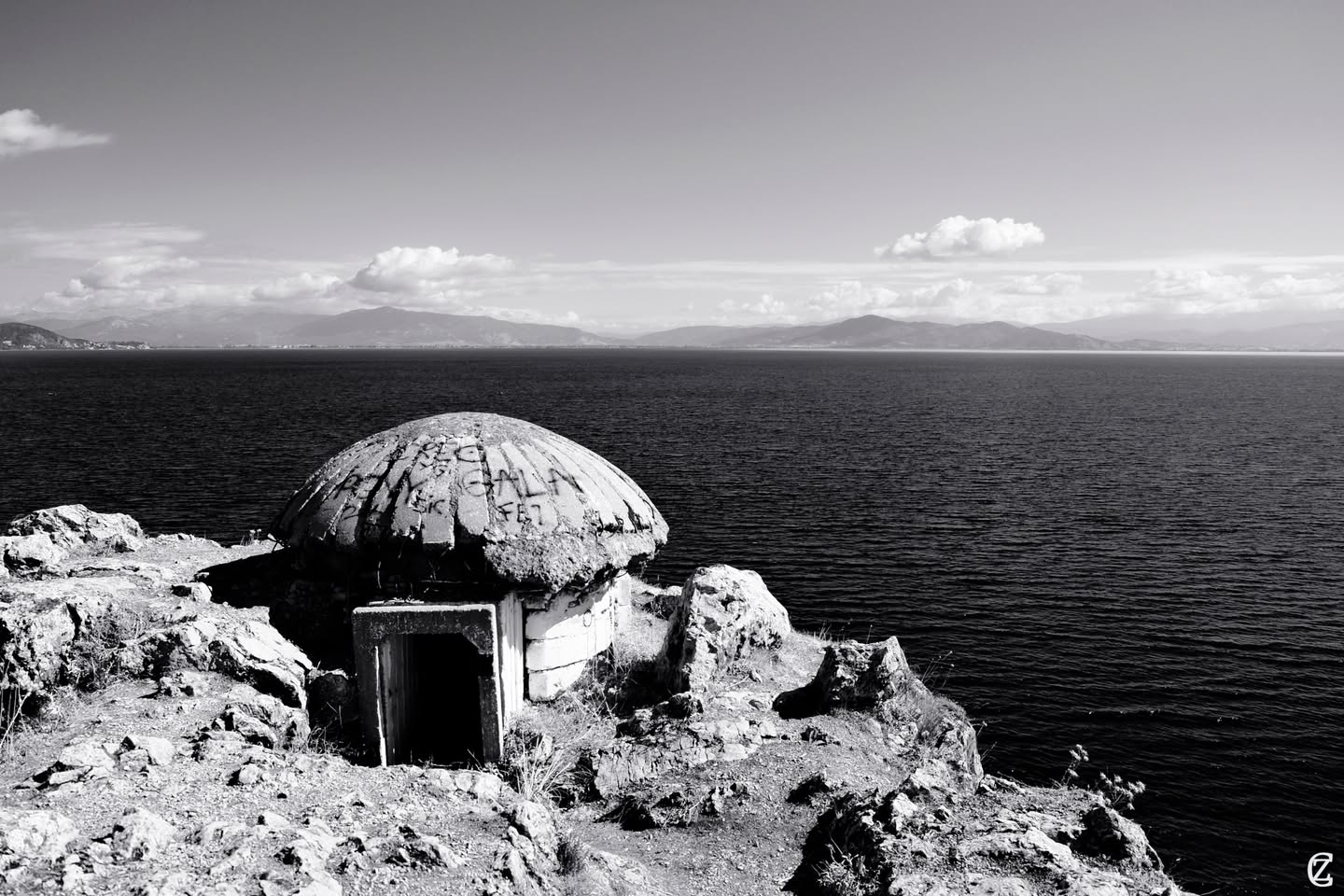
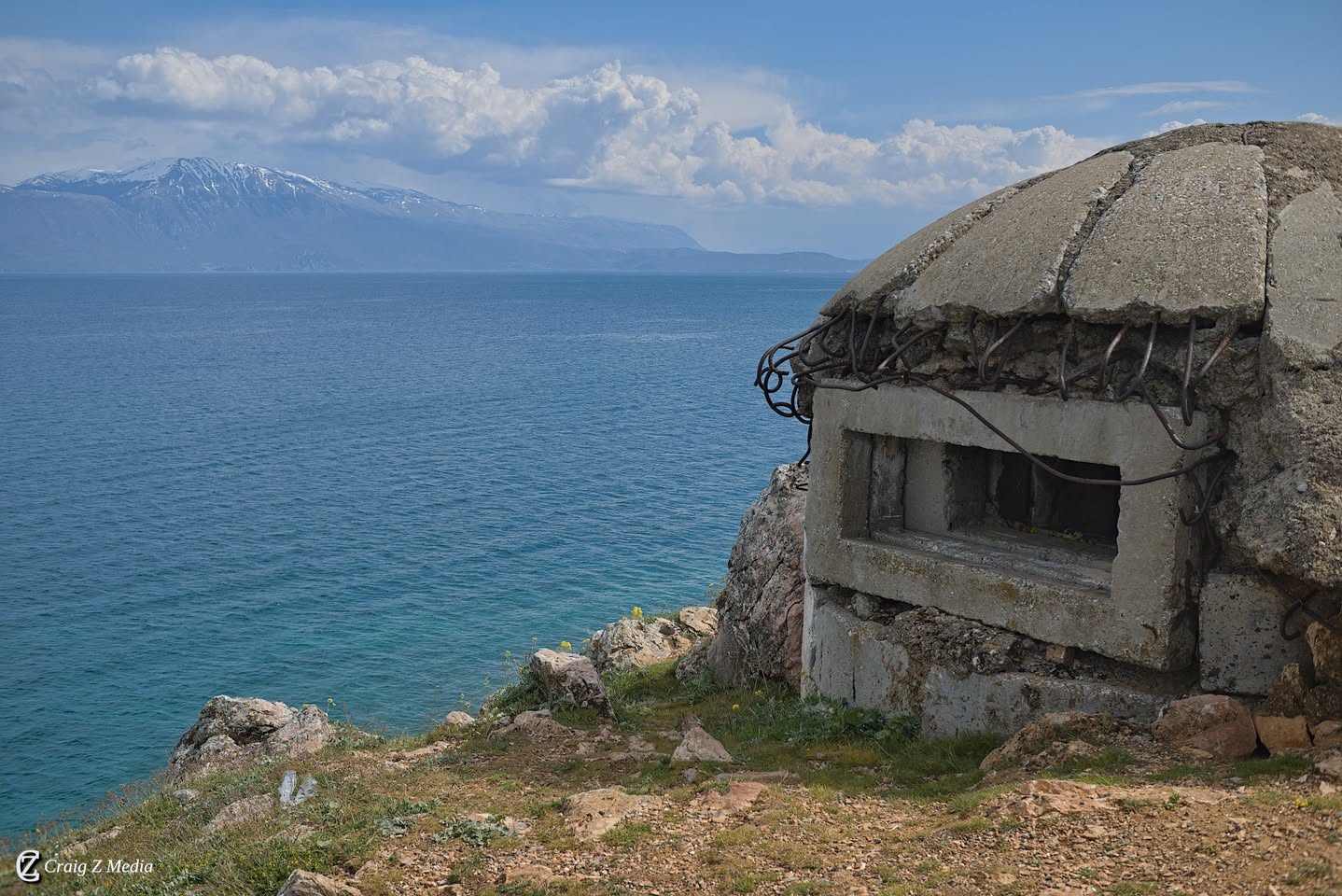
Hoxha-era concrete bunker on the Lin Peninsula, one of 700,000 built across Albania Communist-era bunker in colour — a ubiquitous symbol of Albania's decades of isolation
Albania joined UNESCO in 1958; Lake Ohrid achieved World Heritage status in 1979/80
Historic Sites

Places where history still lives

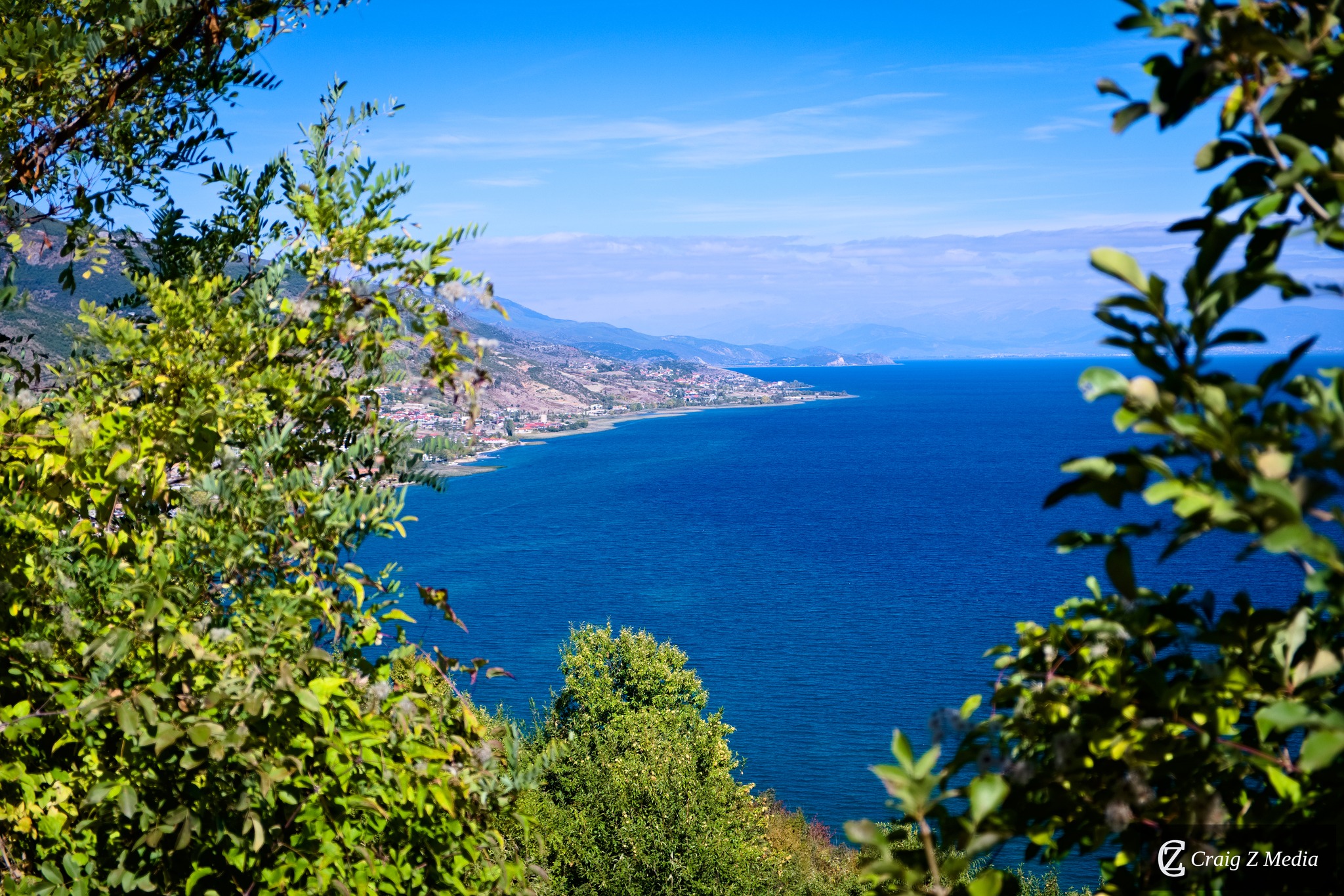
Panoramic view from Pogradec Castle over Lake Ohrid
Pogradec Castle

The Byzantine fortification on the hill above the city has watched over Pogradec for well over a millennium. Though time and conquest have reduced much of it to picturesque ruins, the remaining walls and towers still convey the ambition of their builders. The site commands panoramic views of the lake and the surrounding valleys — views that made it militarily invaluable across every era of its occupation. An easy uphill walk from the city centre, the castle is most rewarding at the golden hour, when the light over the lake is extraordinary.

Byzantine period   ·   Walking distance from centre
Lin Archaeological Park

The Lin Peninsula, jutting into the lake northwest of Pogradec, is one of the most archaeologically significant sites in Albania. Excavations have uncovered evidence of continuous habitation from the Neolithic era through the Byzantine period. The small but remarkable 6th-century mosaic floor found here is among the finest examples of early Christian art in the Western Balkans. The setting itself — a narrow tongue of land surrounded by the blue-green waters of Ohrid — gives any visit to Lin an atmosphere of deep time and quiet discovery.

Neolithic to Byzantine   ·   25 km from Pogradec
St. Mary's Church, Maligrad Island

On a small rocky island in the Albanian portion of Lake Ohrid stands one of the region's most spiritually potent sites. The Church of St. Mary on Maligrad Island dates to the 14th century and is still an active place of pilgrimage. Reached only by boat, the church is carved partly into the living rock of the island, and its interior preserves Byzantine-era frescoes of remarkable quality. To visit is to step entirely outside the modern world — the lake surrounds you, the frescoes glow in the candlelight, and the silence is complete.

14th century   ·   Accessible by boat from Pogradec shore
The Old Bazaar

Pogradec's old market district is a palimpsest of its Ottoman commercial past. The layout of the lanes, the proportions of the older buildings, and the rhythm of trade that still animates the quarter on market days all echo the centuries when this was a significant node in the Ottoman trading network. Today, the bazaar is where the city's daily life unfolds most vividly — produce, bread, coffee, handicrafts, and conversation mingling in the same compact space they have occupied for hundreds of years. It is not a museum; it is a living continuation.

Ottoman period   ·   City centre
Living Heritage

A culture that
refused to disappear

What makes Pogradec's heritage remarkable is not simply its antiquity, but its continuity. Through every conquest and transformation — Roman, Byzantine, Ottoman, communist — the core of Albanian identity persisted: its language, its music, its craft traditions, its fierce sense of self. The culture that you encounter in Pogradec today is not a reconstruction. It is the living product of that long survival.

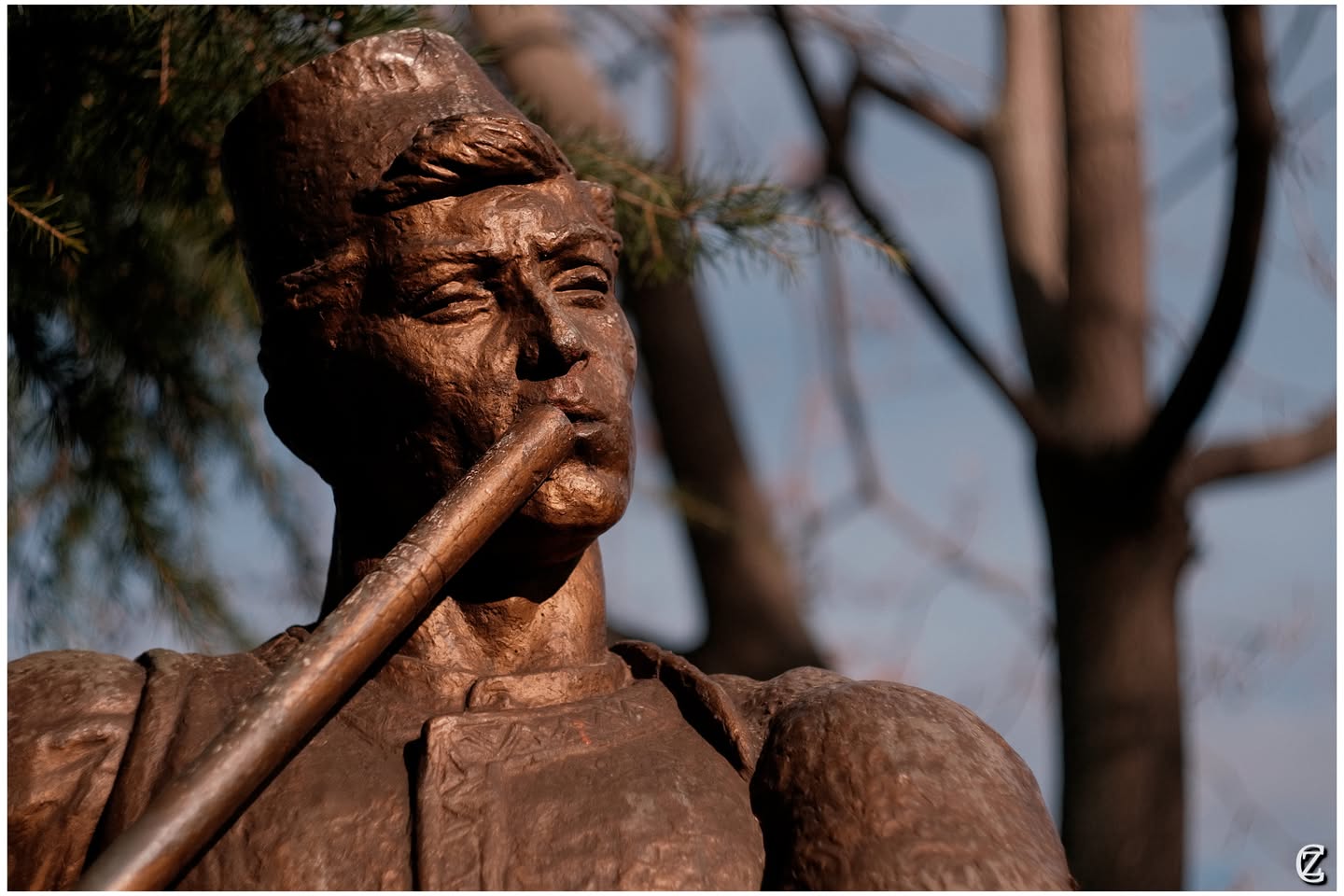
The flute player statue on Pogradec's lakefront promenade — a symbol of the city's musical heritage

The Albanian language is one of the oldest in Europe — a direct descendant of the Illyrian tongue, shaped by two thousand years of contact with Latin, Greek, and Slavic, yet remaining unmistakably itself.

Regional Language Study, University of Tirana

The Albanian Language

Albanian — Shqip — is a linguistic island: an Indo-European language with no close relatives, the direct heir of the ancient Illyrian dialects spoken around this lake millennia ago. The preservation of the language through centuries of Ottoman rule, during which it was denied official status and systematically suppressed, stands as one of the great acts of cultural resistance in European history. In Pogradec, Albanian is spoken with the distinctive cadences of the Tosk dialect, which forms the basis of the modern standard language.

Iso-Polyphony: A UNESCO Heritage

Albanian iso-polyphony — a form of traditional part-singing unique to southern Albania — is recognised by UNESCO as an Intangible Cultural Heritage of Humanity. Practised throughout the region around Pogradec, it involves multiple vocal parts weaving together over a sustained drone (the iso), creating a sound of extraordinary emotional depth. Hearing it performed at a local celebration or festival is one of the most affecting musical experiences available anywhere in the Balkans. It is not performed for tourists; it is performed because it has always been performed.

Folk Costume & Craft Traditions

The textile and embroidery traditions of the Pogradec region are among the most intricate in Albania. Specific patterns, colours, and techniques identify villages, families, and occasions — a visual language encoded in cloth that predates the written word in the region. These crafts are maintained by a dedicated community of makers, many of whom sell and exhibit their work in the city. Traditional woodcarving, copperwork, and ceramics also continue in the hands of craftspeople whose skills are inherited across generations.